-300x91.png "QuickLink BD")
Networking
Best Quality Networking Accessories in Bangladesh
What Are the Different Types of Networking Devices?
- Router: A device that connects two or more IP networks. Essentially, a router serves two purposes: 1) It manages transmissions between networks by forwarding data packets to their appropriate IP addresses 2) It allows multiple devices to share a single internet connection.
- Modem: A modem is a hardware device that allows computers, routers, or switches to connect to the internet.
- Switch: A multiport device used to connect several computers via the Ethernet port.
- Hotspots: Are Physical locations where people use Wi-Fi to access the internet via a wireless local area network with a router that is connected to an internet service provider.
- Ethernet Hubs: An ethernet hub connects several computers together. It also acts as a repeater and amplifies signals.
- Gateway: A gateway in the computer networking acts as a ‘gate’ or entry and exit point between networks.
- Repeater: Repeaters are essentially range extenders as they forward wireless signals from a WiFi router in order to cover a larger area.
- Bridges: To connect multiple LAN network, one needs a bridge; it acts as a network aggregator, connecting multiple LAN networks to create one large LAN network.
How function networking devices?
- Facilitate data transmission and communication between devices.
- Enable efficient and secure network connectivity.
- Enhance network performance and optimize traffic flow.
- Provide network security by enforcing access control and threat prevention.
- Simplify network management and configuration.
How do network devices work together?
Devices often use Ethernet cables to connect to a switch's ports. When transferring frames, the switch refers to an address table that has stored the MAC addresses of such devices in. Switches transfer data straight to the designated destination port, whereas routers forward data to an IP address or network.
What is the basic device of a network?
The physical components that enable hardware on a computer network to connect and communicate with one another are referred to as network devices, sometimes called networking gear. Repeater, Hub, Bridge, Switch, Routers, Gateway, Brouter, NIC, etc. are a few examples.
How do network devices communicate?
Computer networks use cables, fiber optics, or wireless communications to link nodes, such as computers, switches, and routers. Devices within a network can communicate and exchange data and resources thanks to these links. Protocols, which specify how communications are made and received, are followed by networks.
Best Networking Accessories Shop In Bangladesh From QuickLink BD
QuickLink BD stands as Bangladesh's largest retail destination for Gadgets, Office Equipments, monitors, Router, Networking Accessories, Extender, Networking Accessories, Networking Products, and UPS. Visit any of our branches for unbeatable deals on your preferred Micropack Mouse. Additionally, our extensive range of products and services is available on the QuickLink BD e-online store. Choose from a variety of payment methods and enjoy hassle-free EMI options. Our delivery network spans across Bangladesh, ensuring nationwide coverage. Shop with us for convenience, reliability, and exceptional value.

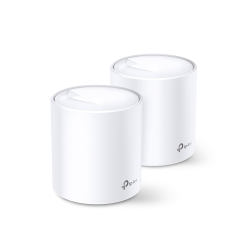
- Antenna: 4× Antennas (Internal)
- Button: Reset Button
- Frequency: 2.4 GHz, 5 GHz
- Ports: 4× Gigabit Ports

- Frequency: 2.4 GHz and 5 GHz
- Storage Temperature: -40–70 ℃
- Interface: 1× 2.5 Gbps Ethernet Port
- Weight: 1.94 pounds
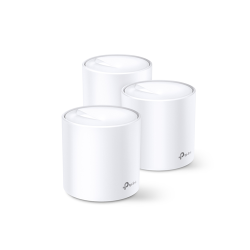
- Antenna: 4× Antennas (Internal)
- Button: Reset Button
- Ports: 6× Gigabit Ports
- Data Rate: 5 GHz: 2402 Mbps (802.11ax)
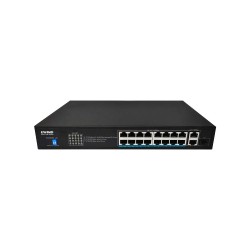
- PoE default: 1, 2(+)/3, 6(-).
- 200W build-in power adapter
- Forwarding Rate 6.85Mpps
- Forwarding Mode Store and Forward

- High-speed wireless performance.
- Concurrent 300 Mbps(2.4GHz) and 867 Mbps (5GHz)
- Memory: 16 MB Flash, 64 MB RAM
- Dual WAN function can connect two WAN connections at the same time

- Antenna: External 5 dBi antenna x 4
- Mbps: 300+867 Mbps
- Operating Frequency: 2.4 GHz / 5 GHz
-250x250.jpg "ASUS RT-AC53 Dual-Band Gigabit Router")
- Speed up to a combined 750 Mbps data rate
- Smart control with ASUSWRT
- 3 external strong antenna
- 2421sqft Open Space Coverage
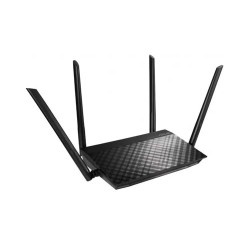
- 4 x Gigabit LAN port Speeds
- Memory: 32 MB Flash, 128 MB RAM
- Parental Control: Yes
- Improved coverage and multi-device performance

- Speed: Up to 1900Mbps, 3X faster than 802.11n routers
- High-performance antennas
- Memory: 128 MB Flash, 256 MB RAM
- Connectivity: 5X Gigabit Ethernet ports, 1X ultrafast USB 3.1 port and 1X USB 2.0 port

- Model: Asus RT-AC750L
- Data Transfer Rates (WiFi): 750 Mbps (300 + 433)
- Antenna External 2 dBi antenna x 3
- Coverage Medium homes

- Speed: 1800Mbps (574 Mbps on 2.4GHz & 1201 Mbps on 5GHz)
- MU-MIMO and OFDMA technology
- External antenna x 4
- Open Space Coverage: 3499sqft
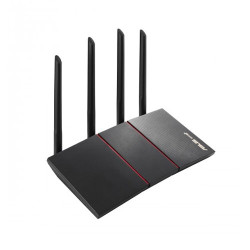
- WiFi standard 802.11AX (WiFi 6)
- 574 Mbps on the 2.4GHz band
- 1201 Mbps on the 5GHz band
- Lifetime free AiProtection
-250x250.jpg "ASUS RT-AX57 AX3000 DUAL BAND WIFI 6 ROUTER")
- Antenna: External antenna x 4
- Button: WPS Button
- Frequency: 2.4GHz / 5GHz
- Processor: 1.7GHz quad-core processor
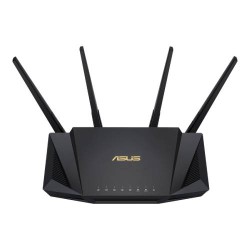
- Ultra-fast WiFi Speed
- Increase Capacity and Efficiency
- Commercial-grade Security
- Better Partner with Mesh System
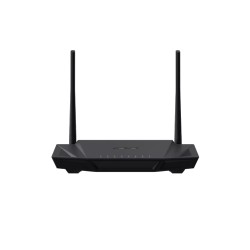
- Blocks internet security threats for all your connected smart devices.
- Supporting WiFi standard 802.11AX (WiFi 6) and 160MHz bandwidth
- Commercial-grade Security
- Better Partner with Mesh System

- Enjoy ultrafast speeds up to 5700 Mbps
- True 2 Gbps wired and wireless speeds
- Commercial-grade home network security
- Operating Frequency: 2.4 GHz / 5 GHz
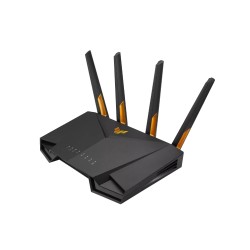
- Enjoy speeds up to 4200 Mbps
- Aggregated 2 Gigabit LAN connections,
- Wired 2.5Gbps port and WiFi 6.
- Tested Durability and Stable Operation
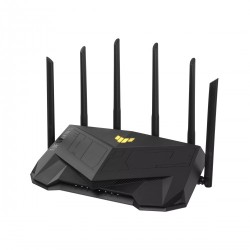
- Enjoy speeds up to 5400 Mbps
- Fast & Stable Wired Gaming
- Create a flexible, seamless whole-home mesh network
- Tested Durability and Stable Operation
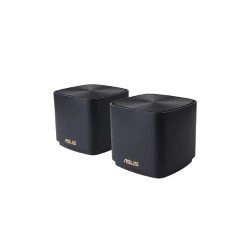
- Bandwidth of up to of 1800 Mbps
- True 8K Streaming
- Reliable and secure WiFi connections
- ZenWiFi XD4S works perfectly with smart-home services
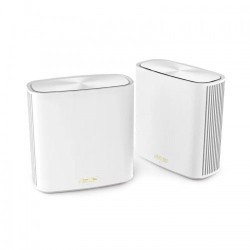
- Featuring unique technologies
- Smart & Flexible Backhaul Configuration
- True 8K Streaming
- Up to 2.2X faster* than WiFi 5 routers